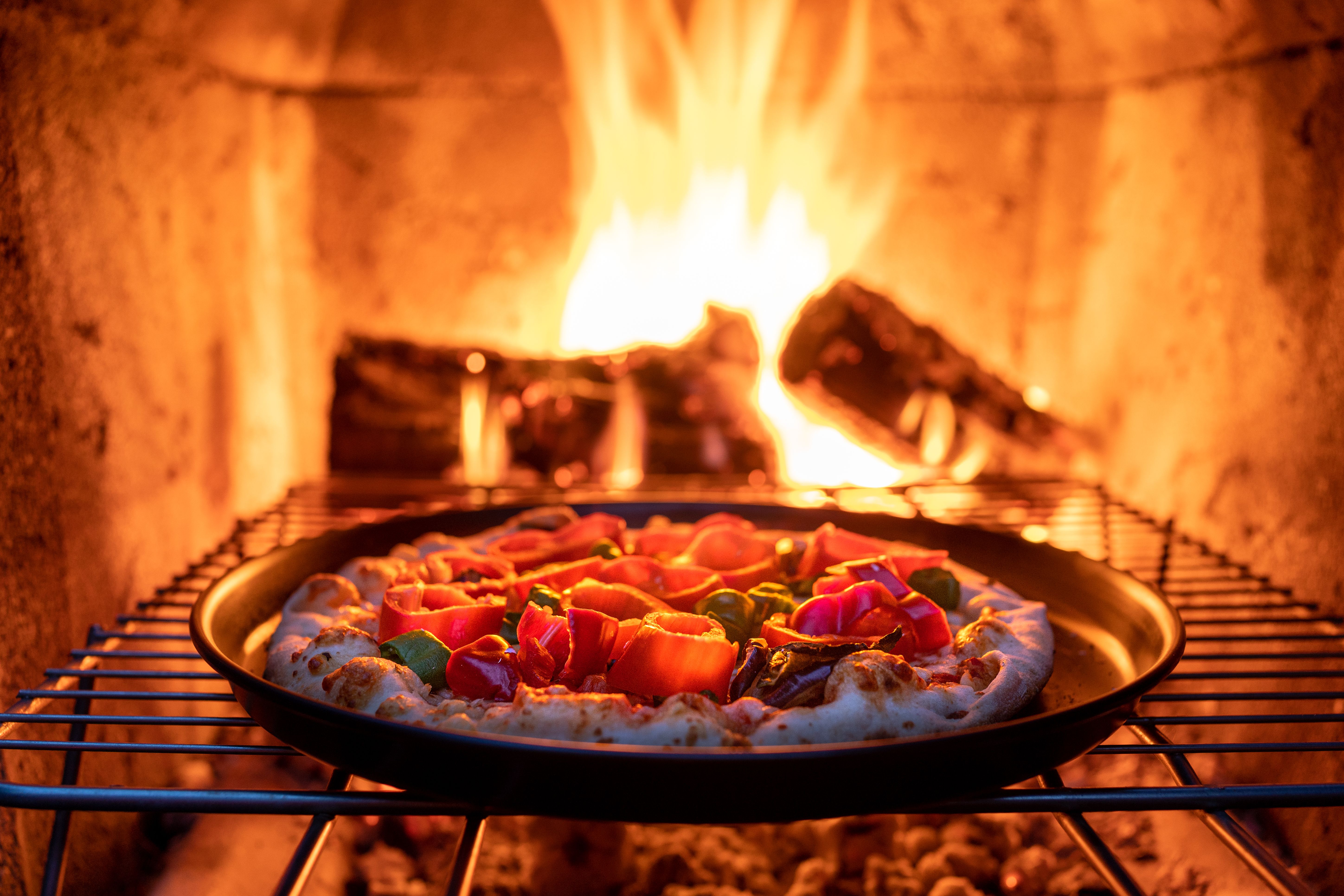
Fire Safety Nightmare in an Airbnb: When a Plastic Item in the Oven Ignited an Evacuation
An alarming incident at an Airbnb rental highlights the critical importance of guest safety, proper kitchen storage, and responsive host communication. What began as a routine pre-cooking moment escalated into a building-wide evacuation and a challenging dispute with the host over accountability and refunds.
What happened
– A guest arrived at a booked apartment and began preheating the oven to prepare a frozen pizza.
– Shortly after, a strong odor and thick white smoke emerged from the oven. On inspection, the guest found a plastic tray beneath a pot inside the oven, already deteriorating into goo.
– The guest immediately turned off the oven, turned on the exhaust fan, and opened multiple windows. Smoke alarms were triggered.
– Without a fire extinguisher on hand, the guest attempted to locate one, but none was available.
– Because the smoke was intense and fumes were overpowering, the guest opened the hallway door. Smoke alarms in the hallway and other parts of the building activated, prompting residents to evacuate.
– The guest contacted the host, but a brief call lasting only 39 seconds yielded no follow-up.
– Firefighters arrived promptly, were guided to the unit, and worked to dissipate the smoke. The incident caused significant disruption and left the oven and surrounding wall splattered with plastic debris.
– The host’s first post-incident visit claimed the plastic should not have been in the oven and asserted she had checked earlier. She offered no cleaning assistance and did not apologize or provide accountability.
– The guest, seeking shelter for the remainder of the stay, endured lingering fumes and kept windows open in cold weather.
– Airbnb support was notified. The host refused a refund for the remaining two nights (the guest had stayed an extra night despite the ordeal). The guest submitted a direct refund request for the two nights, which the host denied, leading to escalation to Airbnb’s resolution center.
Key issues and considerations
– Safety safeguards: The presence of a plastic item stored directly in an oven presents a serious fire and smoke hazard. Guests rely on hosts to ensure a safe, properly configured kitchen environment.
– Host accountability: Timely communication and post-incident support are essential. The initial encounter revealed a lack of follow-through, apology, or remediation.
– Emergency response: The guest acted quickly to minimize danger, but the situation underscores the importance of accessible fire extinguishers and clear safety guidance within rentals.
– Resolution process: When safety incidents occur, guests expect clear remediation options, including refunds for disrupted stays. Transparent, prompt host responses and consistent support from rental platforms are crucial.
Takeaways for guests
– Inspect accommodations upon arrival, especially kitchen setups and available safety devices.
– Immediately alert local emergency services if a fire or significant hazard arises.
– Document the incident with photos or video when safe to do so, and preserve communications with the host and platform support.
– If the host is unresponsive or unhelpful, escalate the matter through the rental platform’s resolution center promptly.
Takeaways for hosts and property managers
– Ensure kitchens are free of hazardous items and that fire safety equipment (extinguishers, smoke detectors) is accessible and functional.
– Provide a clear safety briefing for guests, including emergency procedures and contact information.
– Respond promptly to incidents with empathy, accountability, and remedies, such as assisting with alternate accommodations or partial refunds when warranted.
– Maintain open lines of communication and document all actions taken in the aftermath to support resolution requests.
If you’ve faced a similar safety incident in an Airbnb or other short-term rental, sharing your experience can help others learn how to respond effectively and advocate for appropriate resolution. For ongoing concerns, consult the platform’s safety guidelines and consider seeking local tenant or consumer protection resources.
Leave a Reply