Title: Key Challenges in Launching a Small Resort and Lessons Learned
Launching a small resort brings both excitement and complexity. From designing comfortable accommodations to managing budgets, utilities, ongoing maintenance, and delivering a memorable guest experience, there are numerous moving parts to coordinate. This article explores how resort owners navigate the decision between traditional construction and modular accommodation, and offers insights on the toughest aspects of setup and potential improvements for future projects.
Choosing Between Traditional Construction and Modular Solutions
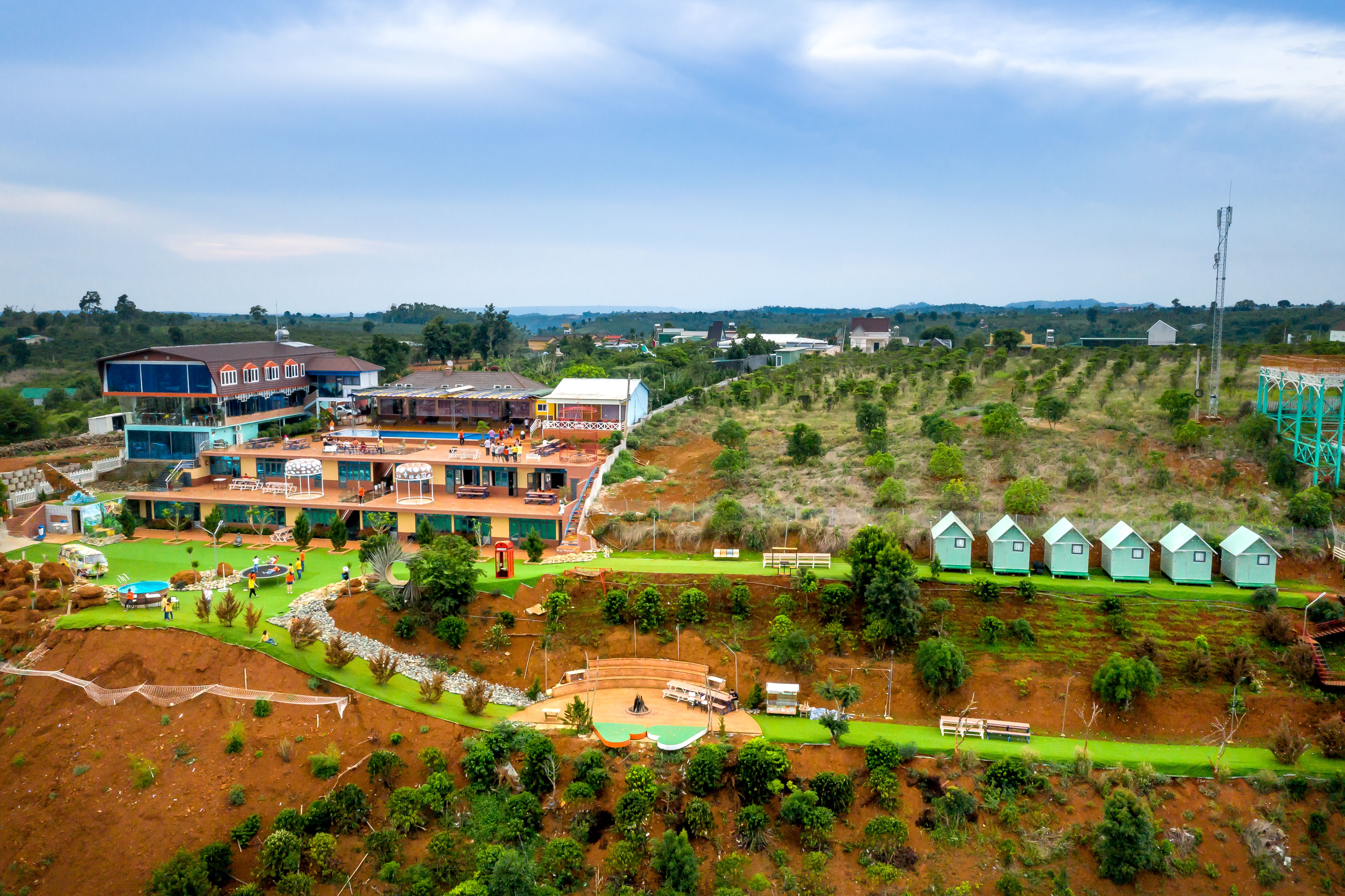
– Budget and timeline: Traditional builds can be reliable but may incur longer construction timelines and higher upfront costs, while modular options can offer faster delivery and potential cost savings but require careful planning for on-site integration and long-term durability.
– Quality and design flexibility: Conventional construction often provides greater freedom for bespoke designs, materials, and finish quality. Modular builds can constrain certain architectural features, though advances in modular technology are expanding possibilities.
– Site logistics and permitting: Both paths demand thorough site assessment and regulatory compliance. Modular projects may simplify some permitting processes in certain regions, but they also require coordination for transportation, crane access, and on-site assembly.
– Maintenance and lifecycle costs: Long-term operating expenses, including utilities, maintenance, and potential resale value, should be weighed. Some operators find modular systems beneficial for standardized components and streamlined replacement, while others prioritize the perceived robustness of traditional construction.
The Most Challenging Aspects (and How to Address Them)
– Spatial planning and room configuration: Balancing guest comfort, privacy, and flow with the limited footprint of a small resort demands careful layout, scalable infrastructure, and thoughtful amenity placement.
– Budgeting and cost control: Establishing accurate estimates for land, permitting, utilities, construction, furnishings, and staffing is essential. Contingency planning and staged investment can mitigate surprises.
– Utilities and infrastructure: Reliable water, power, sewage, heating/cooling, and high-speed connectivity are critical for guest satisfaction and operations. Early collaboration with utility providers and engineers helps prevent bottlenecks.
– Regulatory and permitting hurdles: Navigating zoning, environmental impact considerations, health and safety codes, and accessibility requirements can be lengthy. Engaging experienced professionals early accelerates approvals.
– Staffing and guest experience: Designing operations around efficient housekeeping, front desk, maintenance, and on-site amenities while maintaining service quality and personal touch is vital.
– Maintenance strategy and lifecycle planning: Establishing a proactive maintenance program, durable materials, and easy replacement paths reduces long-term headaches and guest impact.
Best Practices for a Smoother Launch
– Conduct thorough site due diligence: Evaluate topography, utilities, access, market demand, and potential environmental constraints before committing.
– Build a flexible master plan: Create scalable layouts that can adapt to evolving demand and potential expansion, regardless of construction method.
– Engage multidisciplinary experts: Involve architects, engineers, builders, interior designers, and hospitality operators early to align design with operations and budget.
– Prioritize modular feasibility where appropriate: If speed, repeatability, and standardized maintenance are priorities, explore modular options with a trusted supplier who understands hospitality needs.
– Plan for maintenance from day one: Choose durable materials, simple systems, and a clear maintenance schedule to protect guest experience and asset value.
– Embrace guest-centric design: Focus on comfort, acoustics, privacy, and intuitive spaces that enhance the stay and encourage positive reviews.
What Experienced Resort Owners Might Do Differently
– Start with a phased approach: Launch with a core set of rooms and essential amenities, then expand as demand grows to manage risk and cash flow.
– Invest in energy efficiency: Early adoption of sustainable systems and cost-effective technologies can reduce operating expenses and enhance market appeal.
– Build robust vendor and contractor relationships: Long-term partners reduce procurement risk and improve project timelines.
– Incorporate feedback loops: Implement mechanisms for guest and staff feedback to continuously refine operations and facilities.
If you’re considering launching a small resort, weighing the trade-offs between traditional construction and modular accommodations, and planning around these common challenges can help set you up for success. Would you like a concise comparison checklist or a starter template for a phased development plan tailored to a specific location or budget?
Leave a Reply