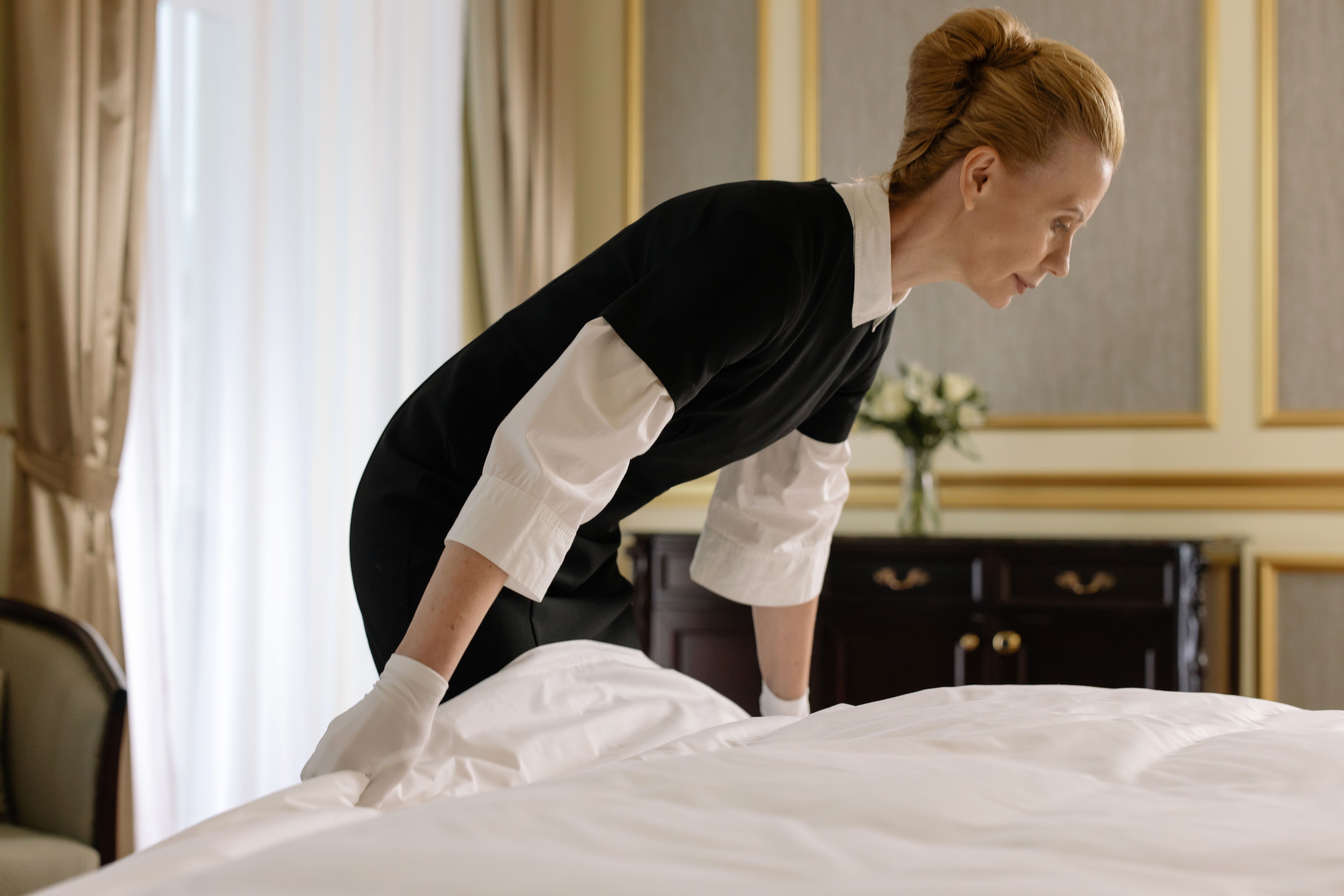
Has Evening Housekeeping Checks Really Happen?
A Recent Experience in Vancouver, BC
I recently stayed at a hotel in Vancouver and encountered a situation that left me puzzled about housekeeping procedures. After leaving the hotel at 6:00 pm and returning at 11:00 pm, I found my door wide open. I contacted the front desk, and the staff said that an “evening check” was performed by housekeeping. I checked in earlier that day at 3:00 pm, so this seemed unusual to me. In the wake of the pandemic, many guests have observed a reduction in housekeeping services, which makes this scenario even more surprising.
Questions for hospitality professionals: do evening checks after 6:00 pm exist in standard practice? If so, under what circumstances are they conducted, and what safeguards are in place to ensure guest safety and privacy?
What I observed when I returned was concerning: the bed had not been made, which indicates that this was not a typical turn-down service. This added to my confusion about what happened during the supposed evening check.
Context and follow-up
- I spoke with the front desk, and they acknowledged that the situation was unusual.
- They explained that while turn-down service is offered, the bed was not made and the door was left open, suggesting that staff may have entered to perform a turn-down but did not complete it.
- I am preparing to check out and plan to address the issue firmly with hotel management to understand the protocols in place and to request appropriate remedies or compensation if needed.
Takeaways for travelers and hotel staff
- Travelers: If you return to a room that was previously left secure and notice an open door or an unmade bed, document the condition and report it to hotel staff immediately. Ask for a clear explanation of any housekeeping visits that occurred after check-in and what procedures were followed to protect guest safety and privacy.
- Hotels: Clear, consistent policies regarding evening or late-afternoon housekeeping visits should be communicated at check-in. Procedures should include explicit checks that do not compromise guest privacy or security, and notes should be made in the guest’s room to prevent confusion. Any deviations from standard service (such as late-evening checks) should be documented with reasons and approvals, and staff should ensure that rooms are left in a safe and presentable condition.
Final thoughts
Situations like this highlight the importance of transparent housekeeping practices and robust safety measures in hospitality. If you’ve experienced a similar incident, sharing your experience with hotel management and providing constructive feedback can help improve procedures for future guests. For travelers, staying informed about hotel policies and asking questions during check-in can help set expectations and reduce potential misunderstandings.
Leave a Reply