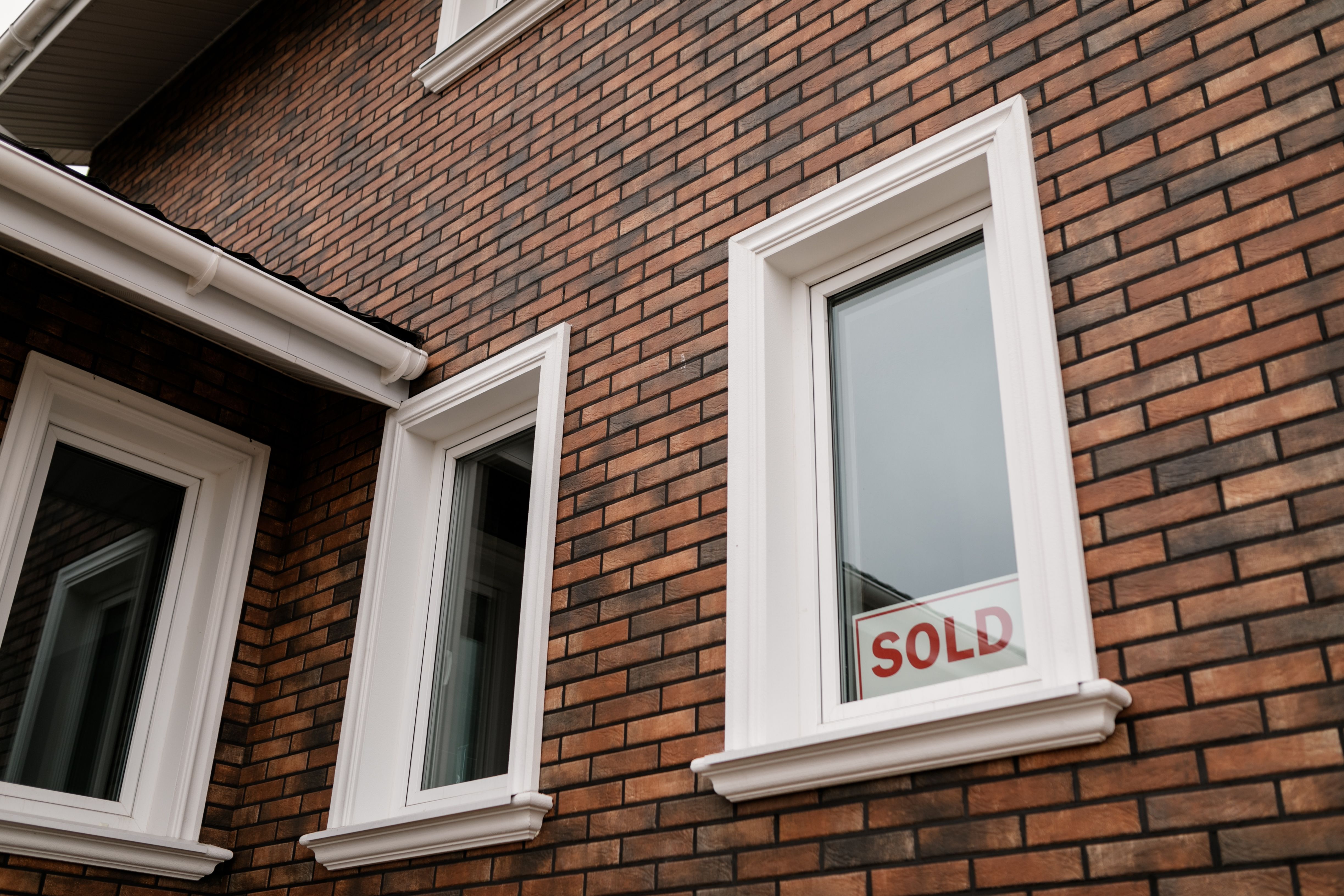
Booked a Reservation for a Property That No Longer Existed or Was Sold
A recent experience with a last-minute Airbnb booking highlights the potential risks of relying on listings that are no longer available. Here’s a concise account and practical guidance for travelers in similar situations.
What happened
– A group booked a property for 10 guests over three nights, starting on an evening arrival.
– An hour before check-in, the host texted that the property would be unlocked and advised contacting them with any concerns.
– Upon arrival around 11:45 pm, the property was locked. The guest contacted Airbnb, which promised to reach out to the host and, if there was no timely response, to help find an alternative accommodation.
– The guests also emailed the host. After unsuccessfully calling multiple nearby options, they secured a hotel with three available rooms to accommodate everyone and preserve refrigerated and frozen groceries.
– The following morning, the host reportedly responded, stating they no longer manage the property. This leaves Airbnb listings that indicate the property is still available even though it has been sold or removed from the platform.
Potential compensation considerations
– At minimum, request reimbursement for:
– The original Airbnb listing as paid (or the equivalent value if the listing could not be fulfilled).
– The hotel stay incurred as a direct result of the issue.
– The alternative lodging arranged for remaining nights (the next two nights in this scenario).
– Document all costs: booking confirmations, receipts, and any additional expenses (e.g., transportation, meals due to the disruption).
– Consider requesting compensation for:
– Inconvenience and distress caused by an unreliable check-in experience.
– Any non-monetary impacts (e.g., safety concerns, exposure to uncertain or unsafe situations).
Additional steps and tips
– Communicate clearly with the platform: log all correspondence, timestamps, and responses from both the host and Airbnb. This aids in making a strong compensation claim.
– Escalate within the platform if the resolution is not satisfactory. Request a formal review and keep records of all efforts to resolve the issue.
– If you incurred safety concerns or potential risk, note these explicitly and request coverage of related costs (e.g., additional security measures, alternate accommodations).
– Consider documenting the property’s status with evidence (listing screenshots, dates, and any public notices) to support the claim that the listing no longer exists or is no longer under the host’s management.
– If compensation is not adequately addressed through the platform, you may consider consumer protection resources or legal counsel, especially if large sums or repeated issues are involved.
Takeaways for future bookings
– Before finalizing a reservation, verify the listing status and host responsiveness. Look for recent reviews mentioning check-in experiences and communication quality.
– Confirm the property’s availability and ownership status directly with the host a day or two before arrival when possible.
– Maintain a contingency plan for accommodations in the event of a last-minute cancellation or miscommunication.
If you’ve faced a similar situation, sharing the outcome and any compensation you received can help others set expectations and prepare effective responses.
Leave a Reply