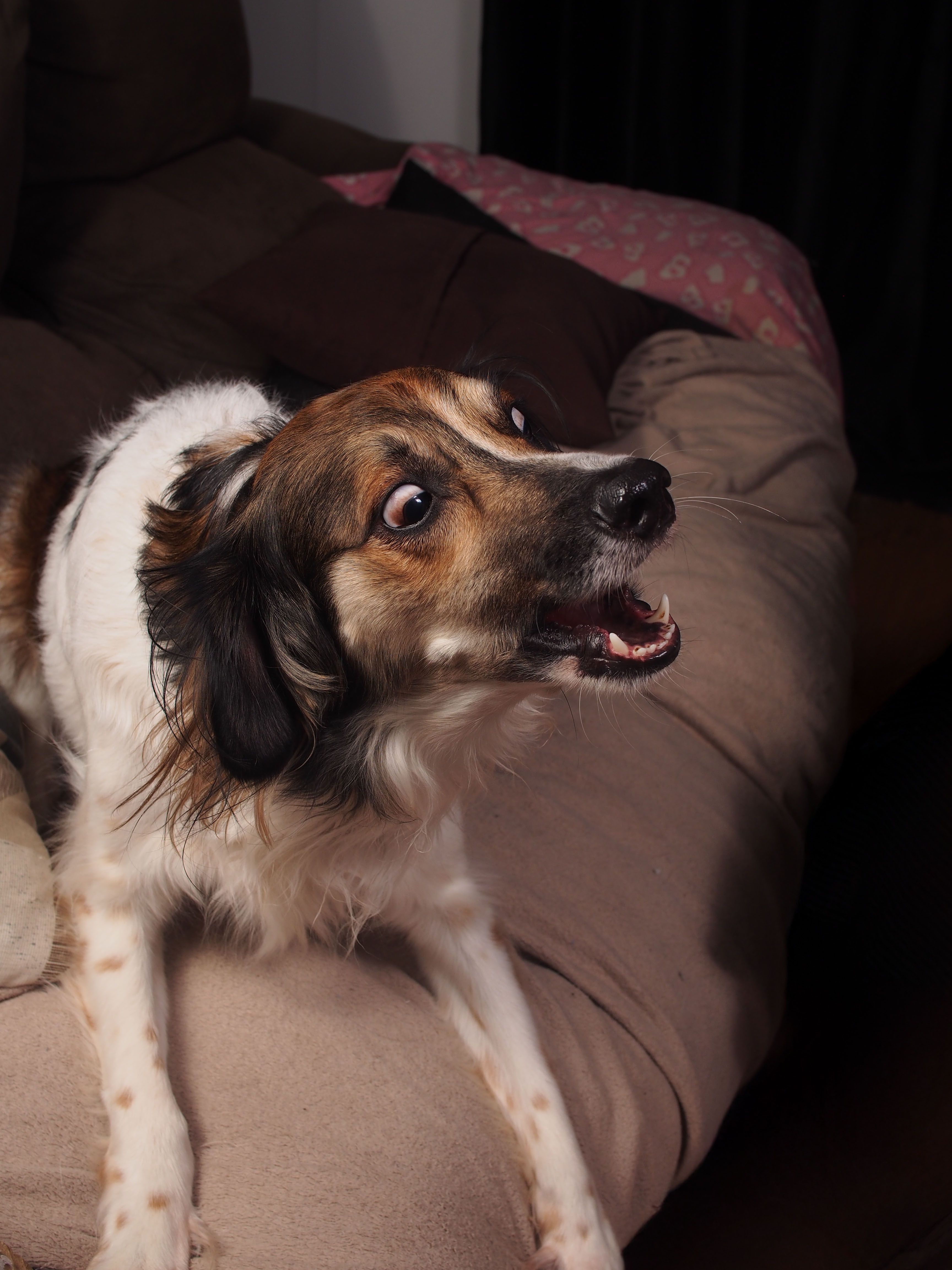
Pet Fee Controversy at Candlewood Suite: When a “Dog Bark” Charge Isn’t Yours
Overview
A business traveler recently faced an unexpected pet fee after checking out of a Candlewood Suite, despite not owning or bringing any pet. The guest recounts a deteriorating stay, from room changes and cleanliness issues to a disputed pet charge that local management insisted was valid because “a dog was observed in the room.” The experience highlights questions about charges, hotel policies, and the challenges of disputing fees when evidence seems ambiguous.
The stay
– The guest booked a month-long stay for a business trip.
– Initial arrival was uneventful, but the experience quickly declined:
– Required room changes.
– Rooms not cleaned as expected.
– Acknowledging the need to request towels repeatedly.
The charge dispute
– After checkout, a pet fee appeared on the client’s room bill.
– Attempts to resolve the issue with hotel staff spanned multiple days, with inconsistent information given.
– A general manager (GM) insisted a pet charge could not be removed because “a dog was observed in the room.”
– The guest asserted several points in response:
– They do not own a dog.
– They traveled to the city for business and did not purchase a pet-friendly ticket.
– They did not have the time or need to care for a pet during a business trip.
– Billing records (camera evidence, car rental) showed no pet presence.
– The pet fee appeared on a corporate card as an unauthorized purchase.
– Despite these arguments, the GM remained firm, citing long experience and suggesting that unauthorized “pets” could be sneaked in through side doors. No resolution was offered on the spot.
Key concerns and questions
– How should hotels handle pet fees when no pet is present or documented?
– What steps can guests take to contest a fee charged to a corporate card?
– What documentation or evidence is typically required to remove a disputed charge (e.g., room records, housekeeping logs, CCTV, pet policy checks)?
– What channels are appropriate for escalation beyond the front desk and GM, such as corporate travel departments or consumer protection resources?
– What are best practices for hotel staff to communicate policy clearly and professionally, particularly in disputed scenarios?
What to consider if you face a similar situation
– Gather documentation:
– Your reservation details, room assignments, and checkout summary.
– Receipts showing the charge and associated card (with sensitive data redacted if needed).
– Any correspondence with hotel staff regarding the charge.
– Travel records (flight and car rental) that demonstrate no pet presence.
– Review hotel policy:
– Read the posted pet policy, fee amounts, and whether exceptions exist.
– Check whether the property notes any wildlife or service animal considerations that might affect billing.
– Escalate appropriately:
– Contact the hotel’s corporate or regional management if the on-site GM cannot resolve the issue.
– Reach out to your company’s travel or card-issuing department for guidance on disputed charges.
– If necessary, consider filing a complaint with consumer protection agencies or the card issuer’s dispute resolution process.
– Maintain professionalism:
– Document conversations with dates, times, and names.
– Avoid escalation that could hinder resolution; aim for clear, factual communication.
Takeaway
Unwarranted pet charges can occur despite a guest not owning or traveling with a pet. When faced with a disputed fee, collect evidence, review policies, and escalate through the appropriate channels. Clear documentation and persistent, professional communication are essential to resolve billing disputes effectively.
If you’ve had a similar experience, sharing details about how you navigated the dispute can help others understand effective steps and potential red flags in hotel billing practices.
Leave a Reply