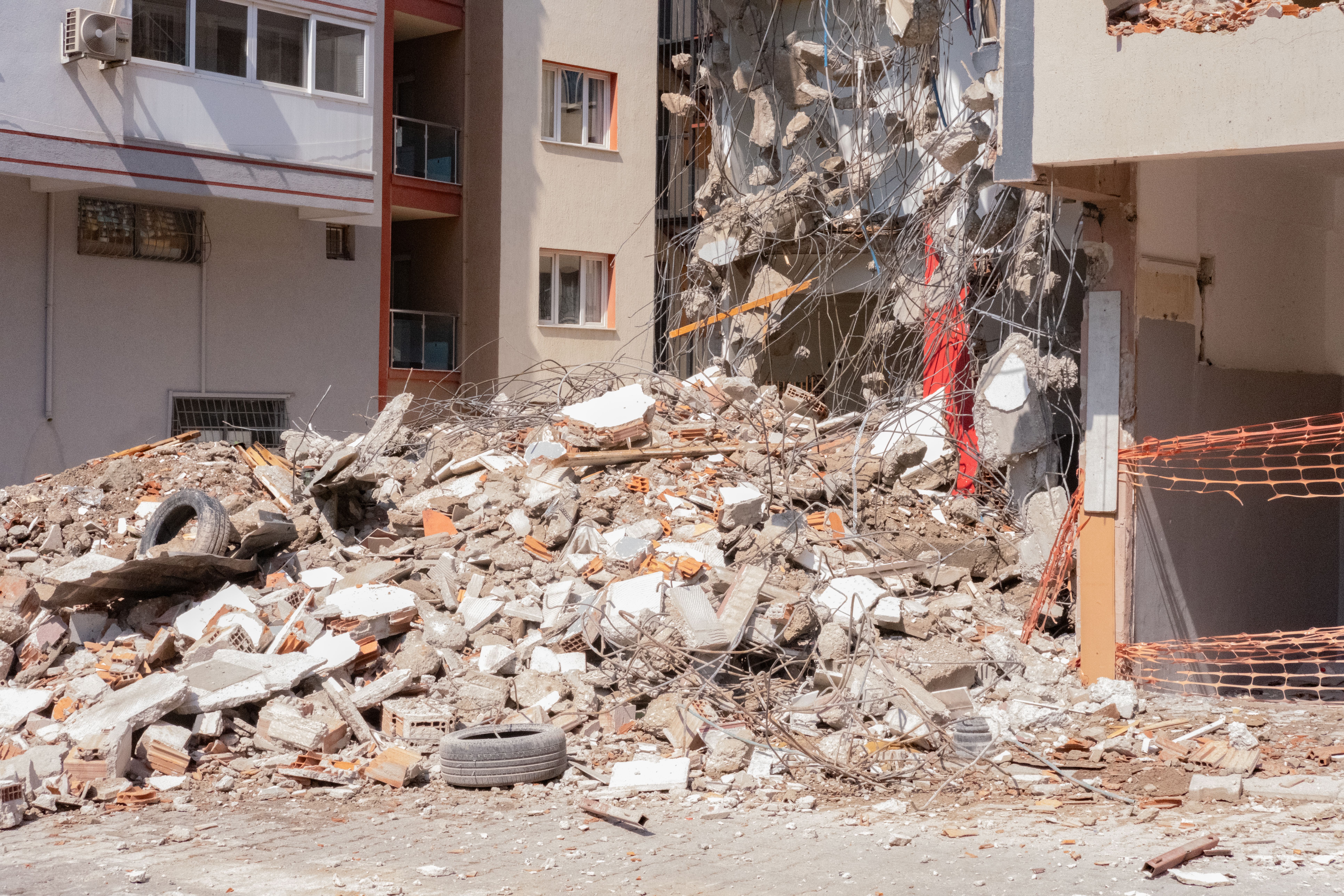
Title: When a Guest Causes Extensive Damage: How a Security Deposit Was Still Not Enough and an Unfounded Review Persisted
If you’re a short-term rental host, you’ve likely worried about misrepresentations, parties, and how platforms handle security incidents. This post shares one host’s experience with a guest who hosted a large after-prom gathering, resulting in significant damage to a home, a rejected security-deposit claim, and a negative review that the platform chose not to remove. The goal is to offer a candid account, lessons learned, and practical steps for other hosts navigating similar situations.
Overview of the incident
– Hosts: A pair of superhosts who maintain a high-standard property and a strong commitment to positive guest experiences.
– Guest behavior: The guest arrived claiming to seek a quiet weekend, but the property was used for a large after-prom party with 10–20 attendees at various times, a party bus, and substantial noise and activity.
– Evidence: Multiple door sensor alerts, exterior camera awareness, and corroborating audio and visual indicators documented during the stay.
– Immediate concerns: Potential safety concerns for neighbors, property damage, and a breach of the rental agreement, including unapproved guests and a disrupted entrance system.
– Response from hosts: They attempted to contact platform support, assess the situation on-site, and document damages for a claim.
Airbnb’s decision on the security deposit and the review
– Security deposit: Despite estimating damages well above the $500 security deposit, the platform ultimately awarded zero dollars in compensation to cover damages.
– Review removal: The host reported that Airbnb did not remove a negative review that claimed the host was “rude and judgmental” and that items were damaged or misrepresented upon arrival.
– Outcome: The host’s attempts to recoup losses and address the review did not result in monetary compensation or review removal from the platform.
Key takeaways and lessons for hosts
– Trust your gut: If a guest’s stated intent seems inconsistent with observable activity, consider more proactive screening or a stricter cancellation threshold.
– Documentation matters: Collect and preserve all evidence (chat history, screenshots, audio/video where permissible, timestamps, photos of damages) to support any claims with the platform.
– Understand the platform process: Familiarize yourself with how security deposits are assessed and how reviews are evaluated for removal. Prepare for possible outcomes that do not align with expectations.
– Safety and neighbors: When safety concerns arise, balance the need for rapid intervention with de-escalation strategies, and consider contacting local authorities if the situation poses immediate danger.
– Plan for the worst, but hope for the best: Have a contingency plan that includes alternate accommodations, professional cleaning, and a clear plan for communicating with guests, neighbors, and the platform.
Next steps for hosts facing similar situations
– Reassess screening criteria: Tighten questions about party plans, guest limits, and the purpose of the stay. Consider stricter enforcement of house rules or a pre-authorization for additional guests.
– Strengthen property protection: Review security measures (door sensors, cameras, noise monitors) within the boundaries of local laws and platform policies.
– Review policy options: If you frequently host, evaluate other platforms (such as HomeAway or VRBO) to diversify listings and exposure, while understanding their own policy frameworks.
– Seek professional guidance: If damages exceed the security deposit, consult local small-claims or appropriate legal avenues to recover losses, including documentation and receipts for repairs and cleaning.
Final thoughts
Hosting platforms are designed to facilitate transactions between hosts and guests, but outcomes can vary widely when disputes arise. This account highlights the importance of thorough screening, robust documentation, and an awareness that a security deposit may not fully cover damages. If you’ve experienced a situation like this, sharing your experiences and exploring all available options can help improve practices for the broader hosting community.
Note: For privacy and accuracy, details in case-specific posts should be verified against the platform’s policies and local regulations before pursuing legal action or public statements. If you’d like, I can tailor a version of this article to match your blog’s tone, provide a checklist for hosts, or help draft a formal message to a platform or attorney.
Leave a Reply