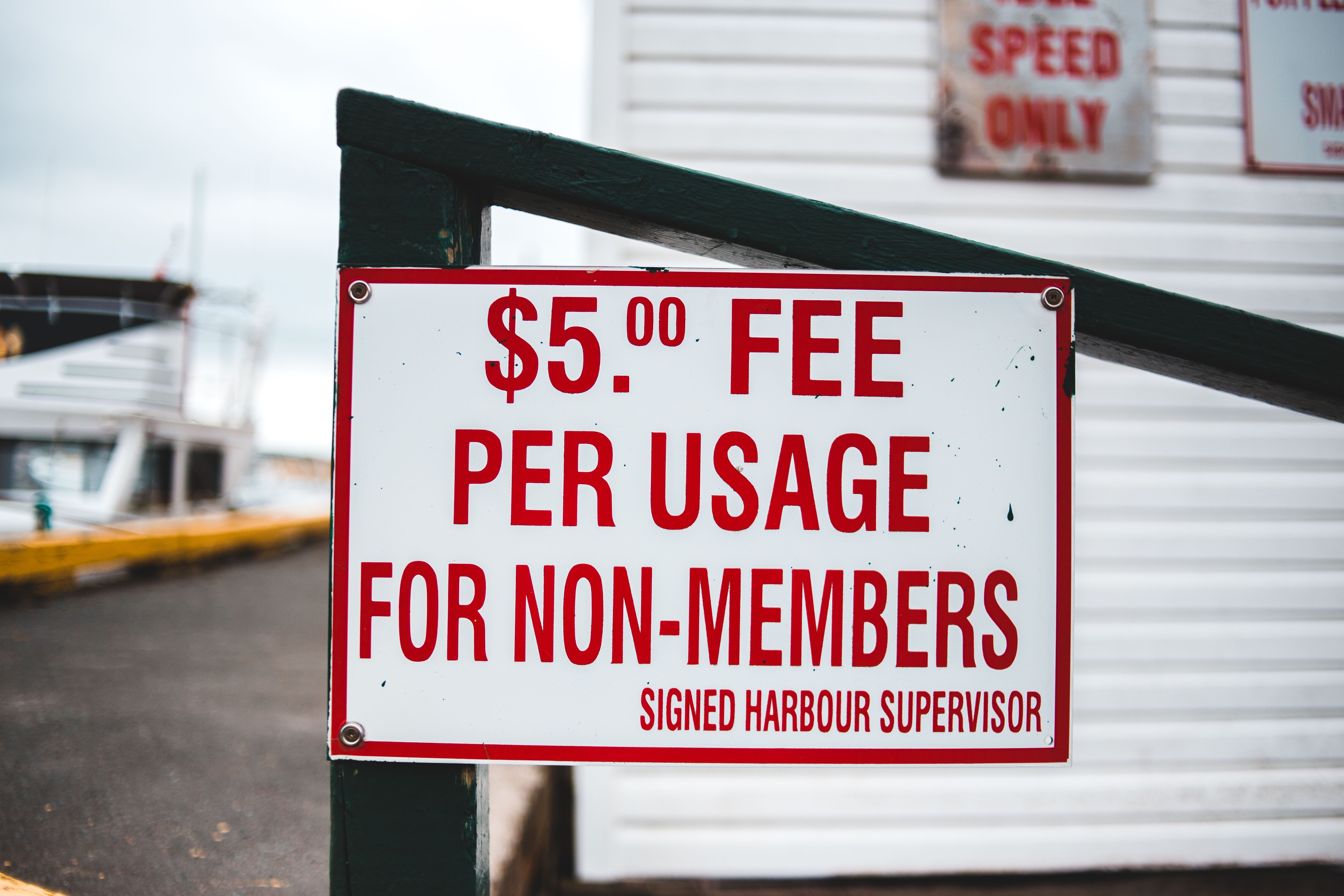
Destination Fees: Why Hidden Charges Need Real Reform
In today’s travel landscape, undisclosed or poorly labeled charges have become alarmingly common. A recent experience while searching for a Chicago hotel in April illustrates the problem: a quoted nightly rate of $84 can quickly balloon with a $90 “destination fee” and a $70 “tax fee,” pushing the total well beyond what was advertised. This pattern—where the initial price seen by consumers is not the final amount paid—feels like false advertising and leaves travelers frustrated and financially overextended.
The broader frustration isn’t limited to hotels. Similar hidden or misrepresented fees appear at concerts, sports events, movie theaters, and other entertainment venues. The cumulative effect is a sense of exploitation, with consumers feeling nickel-and-dimed at every turn. When the advertised price does not reflect the real cost, trust erodes and consumer confidence suffers.
Why hidden fees matter
– Transparency: Clear, upfront pricing helps consumers compare options accurately. When fees are added later, it becomes difficult to assess true value.
– Fair competition: If some providers rely on opaque pricing, others who use straightforward pricing are disadvantaged in the market.
– Financial planning: Hidden charges complicate budgeting for trips, events, and entertainment, often turning what should be an affordable experience into a financial surprise.
Policy and consumer protection considerations
– If you live in a state, should destination fees be restricted or prohibited for local residents staying within state lines? This concept challenges traditional notions of “destination” pricing and could curb excessive surcharges on residents.
– Price consistency: Regulations could require that hotel and venue pricing reflect the total amount a consumer will pay, including mandatory fees, at the point of sale.
– Event-driven pricing: When dynamic pricing is involved (e.g., during large events), caps or clear labeling could prevent sudden, steep price jumps from one night to the next.
– Advertising standards: Laws and guidelines could mandate that any optional or mandatory fees be disclosed upfront in a way that is easy to understand and compare.
Practical steps for travelers
– Read the fine print: Always check the full price breakdown before booking, including all mandatory fees.
– Use price comparison tools that show all taxes and fees upfront.
– Contact the provider for a total price after all fees, not just the base rate, and ask for a written quote.
– Consider refundable options or alternative accommodations with fewer discretionary charges.
– Report deceptive pricing: If you encounter what appears to be false advertising, file a complaint with consumer protection agencies or advertising standards bodies.
The core issue is trust. When prices are not transparently communicated, consumers feel exploited, and the market suffers as a result. While it’s true that some fees may cover legitimate costs (e.g., cleaning, resort maintenance, or city-imposed taxes), the line between transparent pricing and hidden exploitation must be drawn more clearly.
The path forward involves better disclosure, stronger consumer protections, and a commitment from providers to price products fairly from the start. If the industry can embrace clear, complete pricing—and reduce or eliminate questionable add-ons—the travel and entertainment sectors can regain consumer trust and deliver better overall value.
Leave a Reply