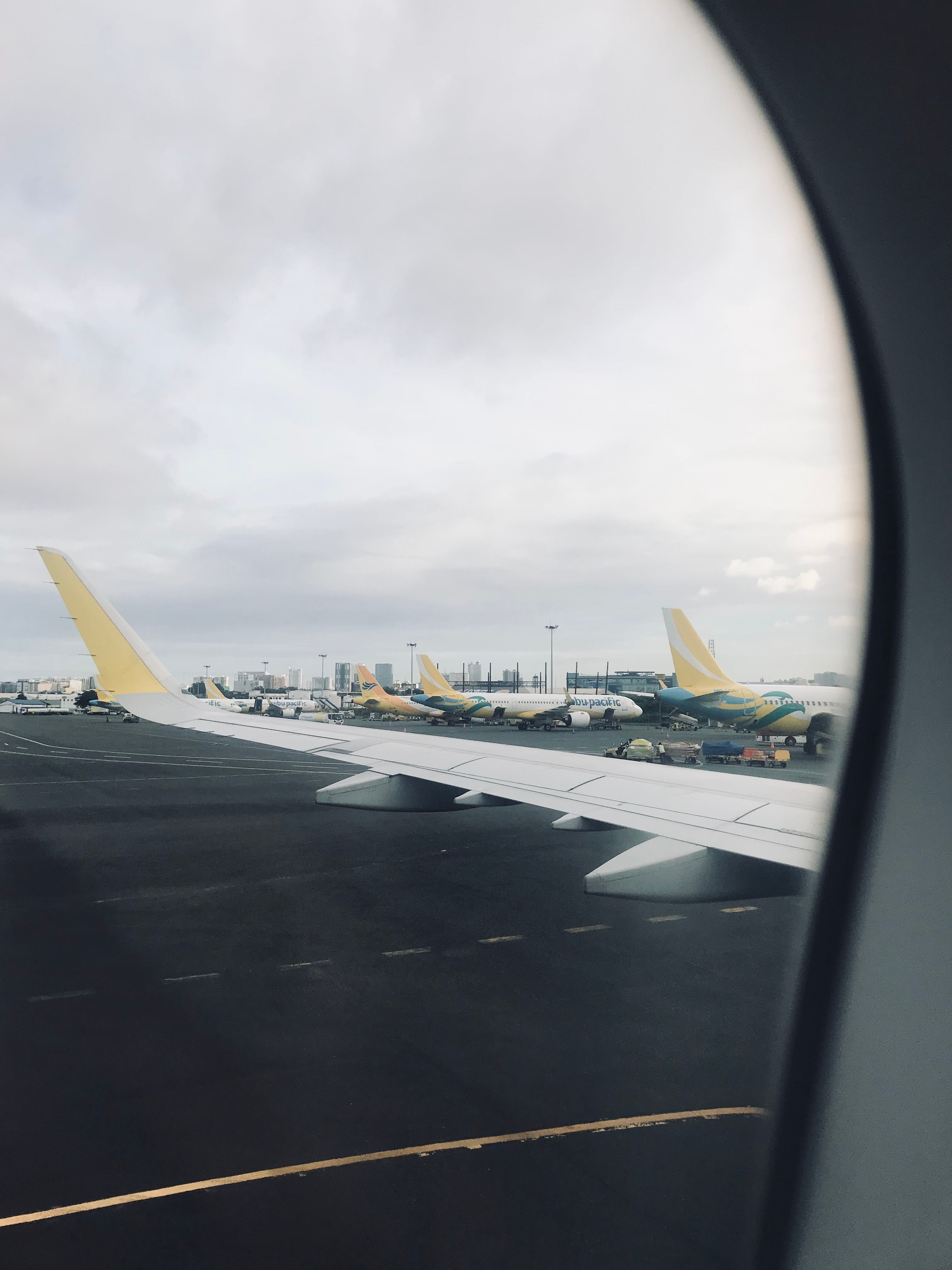
Title: Navigating a Domestic-to-International Connection With Separate Bookings at NAIA Terminal 3
If you’re plotting an overseas trip that begins with a domestic leg, you may face the challenge of tight connection times—especially when the two flights are booked separately and share the same terminal. Here’s a practical look at a real-world scenario and how to approach it with clarity and caution.
The scenario
– Traveler’s plan: A domestic flight from Cagayan de Oro (CDO) to Manila (MNL), followed by an international flight from Manila to Singapore (SIN).
– Dates: November 12
– Itinerary example: CDO to Manila departs at 4:45 PM and arrives at 6:35 PM; Manila to Singapore departs at 8:15 PM and arrives at 12:10 AM.
– Bookings: Both legs are with the same airline, but as separate bookings. Carry-on baggage only; no checked bags. All flights are scheduled to operate through NAIA Terminal 3 (Ninoy Aquino International Airport, Manila).
– Time gap: Approximately 1 hour and 40 minutes between flights.
– Primary concern: Possible delay on the CDO-to-MNL leg and long immigration lines, potentially jeopardizing the international connection.
Key considerations
– Separate bookings: When connections involve separate reservations, you’re not protected by airline interline or through-check arrangements. If the first flight is late, you won’t be automatically rebooked on the next flight, and you may be required to re-check in for the second booking.
– Terminal and process: NAIA Terminal 3 handles both domestic and international flights, but if you arrive on a domestic leg and need to clear immigration, you could be faced with security checks and passport control before heading to the international departure area.
– Time buffer: A 1h40m connection is tight for a potential international departure, especially if you anticipate immigration queues, baggage handling (even for carry-on only, you may still face security or e-immigration checks), and possible gate changes.
– Contingencies: If delay on the first leg is likely, consider the risk of missing the international flight with no automatic rebooking or assistance.
Practical guidance
– Assess the risk tolerance: If your domestic leg has a history of on-time performance and you’re comfortable with a tight window, you may proceed with caution. If you’re risk-averse or have strict travel deadlines, consider options.
– Consider an earlier first flight: Shifting to a CDO–MNL departure earlier in the day or even a day earlier would create a more comfortable buffer before the international leg.
– Verify rebooking options: Check with the airline about:
– If international connections are possible on the same booking even with separate tickets, and what policies apply if the first flight is delayed.
– Whether you can add a single ticket or a single itinerary that provides through-checking and protections.
– Rebooking costs or fees if you miss the connection.
– Immigration strategy: If you must connect in Manila, be prepared for immigration in the domestic-to-international flow. In some cases, you may face a quicker transfer if you are on a through-pass or if the airline offers dedicated transfer lanes—ask airport or airline staff for guidance on the best path.
– Alternatives to consider:
– Book a later international departure so you have a more generous layover.
– Fly into a different gateway with a longer connection, if feasible.
– Consolidate into a single, multi-city itinerary with a single booking that ensures smoother connections and protections.
Tips for the day of travel
– Arrive early at the first departure airport to minimize risk of delays cascading.
– Monitor real-time flight status for both legs and set alerts.
– Have printed or digital copies of all tickets, baggage information (even for carry-on), and any relevant visa or entry documents.
– Prepare for immigration: Keep passports, boarding passes, and any required documents readily accessible.
Bottom line
– With two separate bookings on the same airline and a 1h40m connection at NAIA Terminal 3, you’re facing a high-risk scenario for a guaranteed international connection. If you’re not comfortable with the potential for missed connections and extra costs, the prudent choice is to consider an earlier or alternative first flight, or to reconfigure the itinerary into a single booking that offers through-check and protections.
If you have prior experiences with this setup—domestic-to-international connections at NAIA with separate bookings—share your insights. Your firsthand tips on timing, immigration, and any airline-specific policies can help other travelers make informed decisions.
Leave a Reply