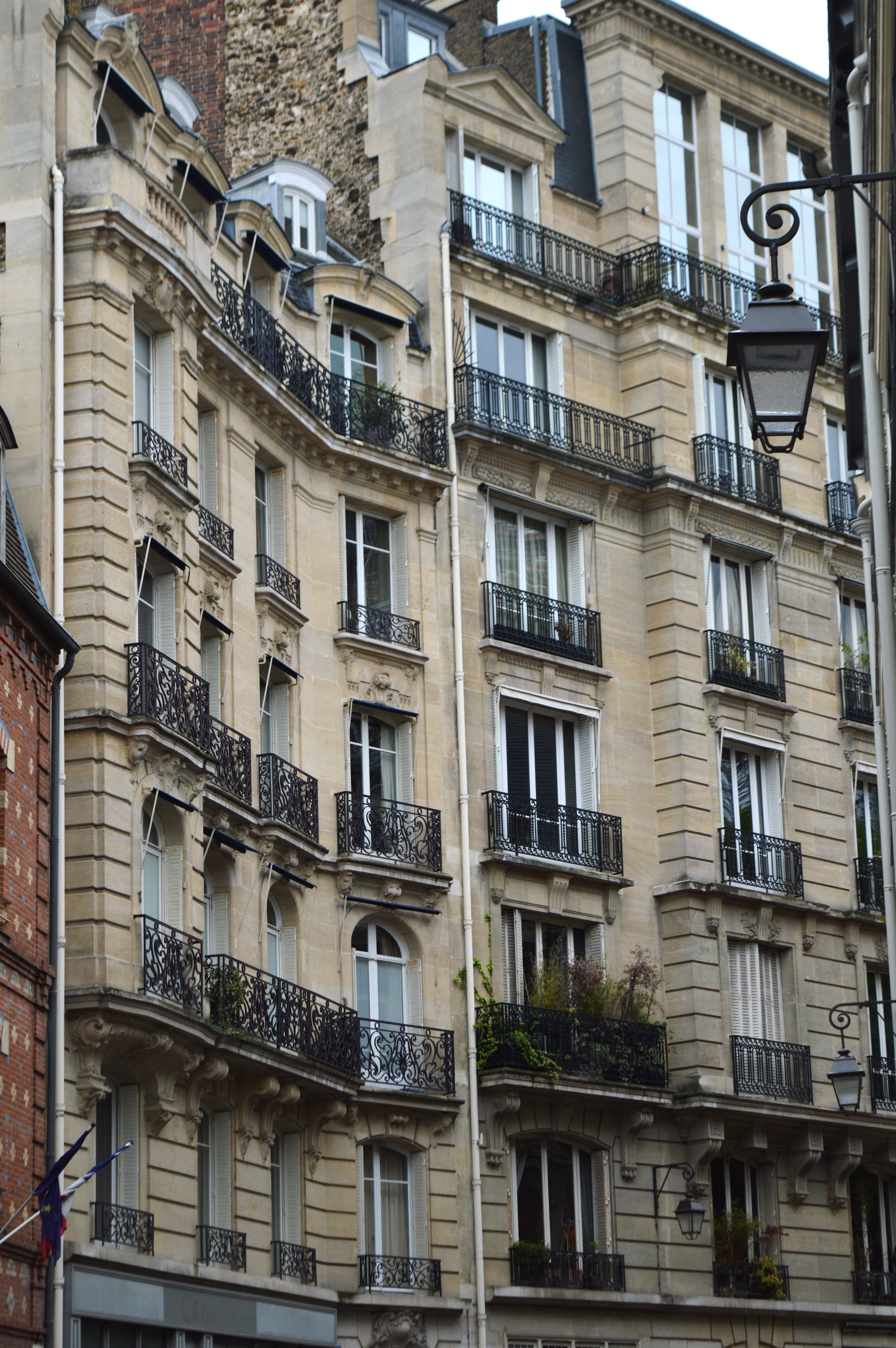
Becoming Disillusioned with a Parisian “Luxury” Stay: A Candid Review
Overview
A recent trip to Paris highlighted a gap between expectation and reality when it comes to marketing “luxury” accommodations. What began as a two-night, high-priced stay in a building billed as historic and upscale quickly revealed a list of problematic policies and design choices that left a sour impression.
Key Takeaways
– Outsize security deposits and strict silence rules: The property required a 1,000 euro security deposit and warned that even minor infractions—listening to music, making noise, or interacting with neighbors—could result in forfeiture or eviction.
– A building largely dedicated to commercial use: Instead of a traditional residential environment, the space functioned more like a mixed-use building with most units operating as short-term rentals and the remainder occupied by offices.
– Questionable branding and expectations: The listing emphasized exclusivity and privilege, asserting that violations would lead to immediate eviction and deposit confiscation, which felt disproportionate and punitive to guests.
– Unimpressive design and amenities: The unit relied on inexpensive, Ikea-style furniture, with small, inefficient layouts. The kitchen appliances and built-in components appeared mismatched and impractical, including a compact refrigerator where a dishwasher might be expected, and two washing machines—one of which seemed superfluous and visually incongruent.
– Inconsistent room sizes and comfort: Bedrooms were notably compact, with luggage storage requiring hallway space, which is unusual for a luxury property.
– Unreliable or inconsistent reviews: Several guests noted situational discomfort that conflicted with other reviews that described the space as spacious for larger groups, raising questions about authenticity and accuracy in guest feedback.
– Cultural perspective and respect: The experience prompts reflection on what constitutes true “luxury” in hospitality and how different markets interpret comfort, space, and guest-relations policies.
Observations on Value and Experience
– Price versus practicality: Spending a premium for a stay that prioritizes rigid rules over guest comfort can undermine the intended sense of luxury.
– Transparency and expectations: Clear, fair guidelines that balance property protection with reasonable guest experience are essential to maintaining trust.
– Design coherence: A cohesive design that matches the stated branding—whether historic, luxury, or boutique—helps manage guest expectations and satisfaction.
Takeaway for Travelers
– Do thorough research beyond the listing title and price: Read recent guest reviews with a critical eye for consistency and authenticity.
– Clarify policies ahead of booking: Understand deposit terms, penalties, and what constitutes an infringement that could jeopardize your stay.
– Assess the practicality of the space: Consider room layouts, appliance quality, and the overall comfort level relative to the price.
Closing Thoughts
This experience underscores the importance of alignment between marketing claims and on-site realities in the hospitality sector. For travelers seeking true luxury, prioritizing guests’ practical comfort, transparent policies, and authentic design will be key to a more satisfying stay in globally sought-after destinations like Paris.
Leave a Reply