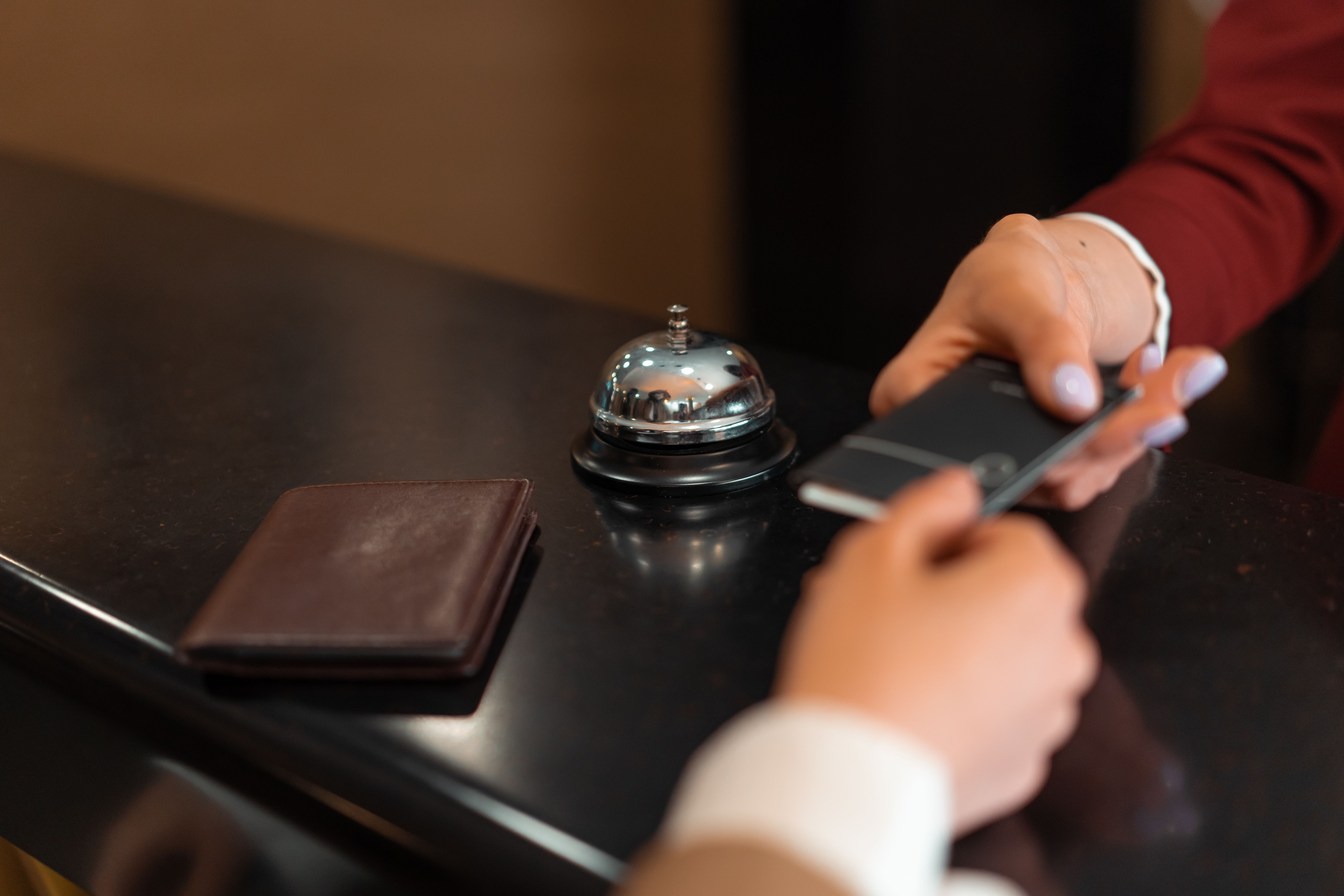
Host Demands $1,000 for Storm Damage You Didn’t Cause: A Case Study in Airbnb Disputes
Overview
A guest recounts a recent Airbnb experience in which the host sought $1,000 in damages for an RV awning damaged by a storm that struck the night after the guest checked out. The guest asserts they followed the host’s check-out process, did not receive any guidance about special check-out duties, and promptly documented and escalated the issue with Airbnb support. The host’s claim stands in contrast to the guest’s positive history with the hosting experience, including a five-star review that praised the guest’s respect and communication.
What happened
– The guest stayed at an Airbnb property and departed, leaving the accommodation in the same condition as when they arrived.
– The host later claimed that a storm the night after departure caused $1,000 in damages to the host’s RV awning, and that the guest was responsible.
– The guest states that check-out instructions did not require them to perform any actions that could affect the awning, and they did not receive any such guidance.
– The guest captured screenshots of communications and forwarded them to Airbnb support for review.
– A prior five-star review from the host lauded the guest for being respectful, communicative, and leaving the place in perfect order.
– In response, the host pursued a damage claim after the guest’s stay, triggering frustration and ongoing correspondence with Airbnb support.
– The guest notes a separate, unrelated incident involving a neighbor’s storm-related tree damage to their own property, which resulted in a costly repair and a lack of power for three days, to illustrate that weather-related damage is often outside a guest’s control.
Key considerations for hosts and guests
– Clear check-out instructions: Ensure the host provides explicit, itemized guidance on any responsibilities tied to post-stay conditions or potential damages, including how to report issues and any required documentation.
– Documentation and timing: Maintain thorough records of the property’s condition before checkout (photos, videos) and all communications with the host and platform support. Time-stamped evidence can be critical in damage disputes.
– Weather-related damage: Storms and natural events can cause damage outside a guest’s control. Responsible parties should distinguish between pre-existing issues, accidental damage, and force majeure scenarios.
– Platform dispute resolution: When a guest disputes a claim, engage with the platform’s resolution process promptly, presenting all relevant evidence and context, including the host’s prior feedback and consistency of the guest’s actions.
– Review integrity: Positive prior host reviews should be weighed alongside any post-stay claims. A mismatch between a guest’s past ratings and new damage claims may warrant a closer review by the platform.
What to communicate moving forward
– To guests: Share a concise, factual account of events, including timelines, any relevant check-out instructions (or lack thereof), and any supporting screenshots or messages. Highlight your adherence to the posted guidelines and your willingness to cooperate with Airbnb support.
– To hosts: Provide transparent explanations for any damage claims, include evidence like photos or professional assessments if available, and reference the platform’s policy guidelines regarding responsibility for damage and weather-related events.
– To readers: When considering a stay, review both guest and host feedback, confirm check-out expectations, and understand how storm-related incidents are addressed by the platform’s damage claim policies.
Bottom line
Disputes over storm-related damages following a guest’s stay can be complex, particularly when check-out procedures are unclear or absent. Thorough documentation, clear communication, and timely engagement with the platform’s dispute resolution process are essential to resolving these situations fairly.
Note: If you’re navigating a similar scenario, consult the specific Airbnb policies on property damage, check-out responsibilities, and the steps for disputing a claim.
Leave a Reply