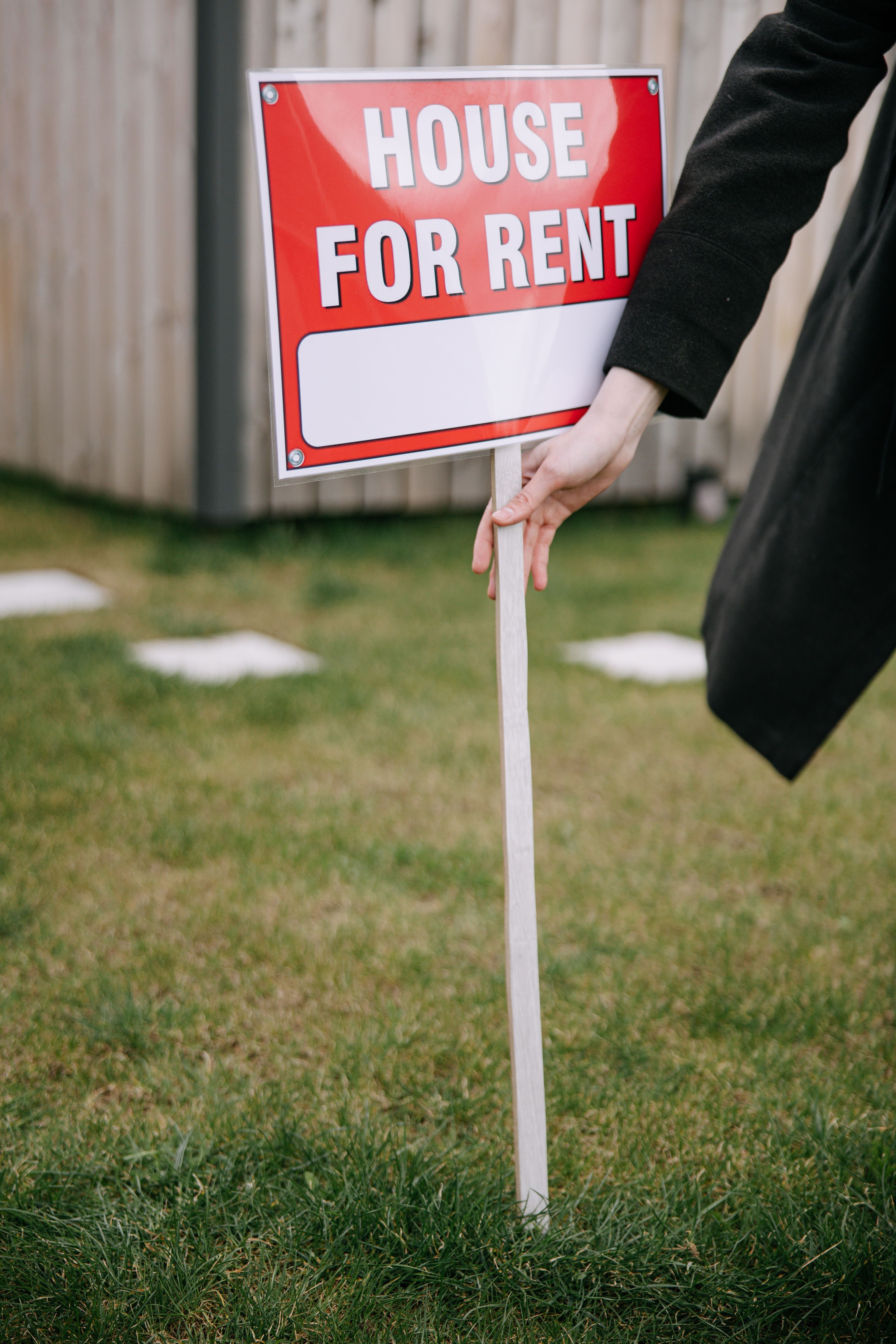
Title: How to Handle an Unauthorized Airbnb Listing by a Tenant: A Practical Guide for Los Angeles Landlords
Introduction
Renters who sign long-term leases expect stability and compliance with lease terms. When a tenant sublets or lists a property on Airbnb without consent, it can create financial and legal headaches for the landlord. This article presents a professional, solution-focused narrative based on a real-world scenario, along with steps landlords can take to protect their property, pursue remediation, and minimize losses.
The situation in brief
– A landlord facing a move from their own primary residence decided to rent the property long-term to cover ongoing housing costs.
– Trust in a property manager or leasing agent led to selecting a tenant who appeared suitable on paper.
– The tenant engaged in a business model that rents properties and lists them on short-term platforms like Airbnb.
– The lease prohibited short-term rentals, including platforms like Airbnb.
– The tenant stopped paying rent after the third month and the landlord discovered, upon attempting to serve a 3-day notice, that the property had been listed on Airbnb from the outset.
– The landlord initiated an unlawful detainer action to recover possession.
Key challenges
– Airbnb’s assistance: The platform’s support process did not provide a reliable, timely remedy. Listings often remain visible until they are deactivated by the host, which can be slow or ineffective in urgent eviction situations.
– Financial impact: Eviction processes can take weeks to months, during which the tenant may continue to generate revenue for the listing, while the landlord incurs ongoing losses.
– Legal and safety concerns: In some cases, tenants may attempt to retaliate with complaints or legal actions, complicating the landlord’s efforts to regain possession.
What landlords can do
1) Document everything
– Maintain a clear record of all lease terms, communications, and payment history.
– Photograph or otherwise document the property’s condition at move-in and any changes during tenancy.
– Preserve copies of the listing(s) and any notices served, including dates and methods of delivery.
2) Enforce lease terms through proper channels
– Initiate the formal eviction process (e.g., unlawful detainer) in accordance with local and state law.
– Ensure notices are correctly served and documented to prevent procedural challenges.
3) Address the unauthorized listing
– Contact Airbnb through official channels with a clear, documented request to remove the listing, citing the lease’s prohibition on short-term rentals.
– If initial attempts are ineffective, consider escalating within Airbnb’s administrative tiers, referencing the relevant lease provisions and the eviction process timeline.
– Be aware of the platform’s terms of service and reporting channels for suspected abuse, including fraudulent or illegal activity.
4) Legal counsel and professional support
– If the tenant disputes or if the listing persists, consult a local attorney who specializes in landlord-tenant law to determine whether a letter from counsel or further legal action is warranted.
– A lawyer can assess potential claims beyond eviction, such as breaches of the lease agreement and nuisance.
5) Plan for financial recovery
– Calculate ongoing costs associated with the vacancy and potential losses from rent and platform income.
– Explore options to mitigate losses, such as marketing the property for new long-term tenants or temporarily adjusting rental terms to attract qualified renters while complying with all laws.
6) Safety and compliance
– Do not take unauthorized actions that could jeopardize safety or violate the law. For example, changing locks without proper notice or consent can create liability.
– If there are concerns about harassment or safety, document incidents and consult with legal counsel to determine appropriate next steps within the law.
7) Learning from the experience
– Verify future tenants and agents with due diligence, including references, rental history, and verification of sources of income.
– Establish clear lease language that explicitly prohibits subletting or short-term rentals and requires landlord approval for any exceptions.
– Consider a robust screening process and possibly a more involved property manager with strong compliance practices.
Potential outcomes
– Successful removal of the listing and regaining possession via lawful eviction.
– Resolution in which the tenant ceases short-term rental activity and continues under the terms of a revised or renewed lease (if appropriate and legally permissible).
– Financial restitution or loss mitigation through legal remedies, depending on the jurisdiction and evidence available.
Important considerations for readers
– Los Angeles and California law govern many aspects of landlord-tenant interactions, including remedies for nonpayment, eviction procedures, and the handling of unauthorized sublets.
– Each case depends on specific lease provisions, tenant actions, and the platform’s policies, so professional legal advice is essential.
– Public safety and property rights must be balanced with lawful conduct; avoid actions that could lead to liability or escalation.
Closing thoughts
Unauthorized listings by tenants can be a landlord’s worst nightmare, but a methodical, legally compliant approach can help restore control of the property and minimize losses. If you’re facing a similar situation, start with solid documentation, pursue the appropriate eviction process, and engage legal counsel to address both lease violations and any platform-related disputes. By learning from this experience, landlords can better protect their properties against future unauthorized subletting and short-term rental schemes.
Leave a Reply